
Senior Medical Transportation
Medical Transportation for Elderly Doctor Appointments
Learn how non emergency medical transportation helps seniors safely travel to doctor appointments and healthcare visits.
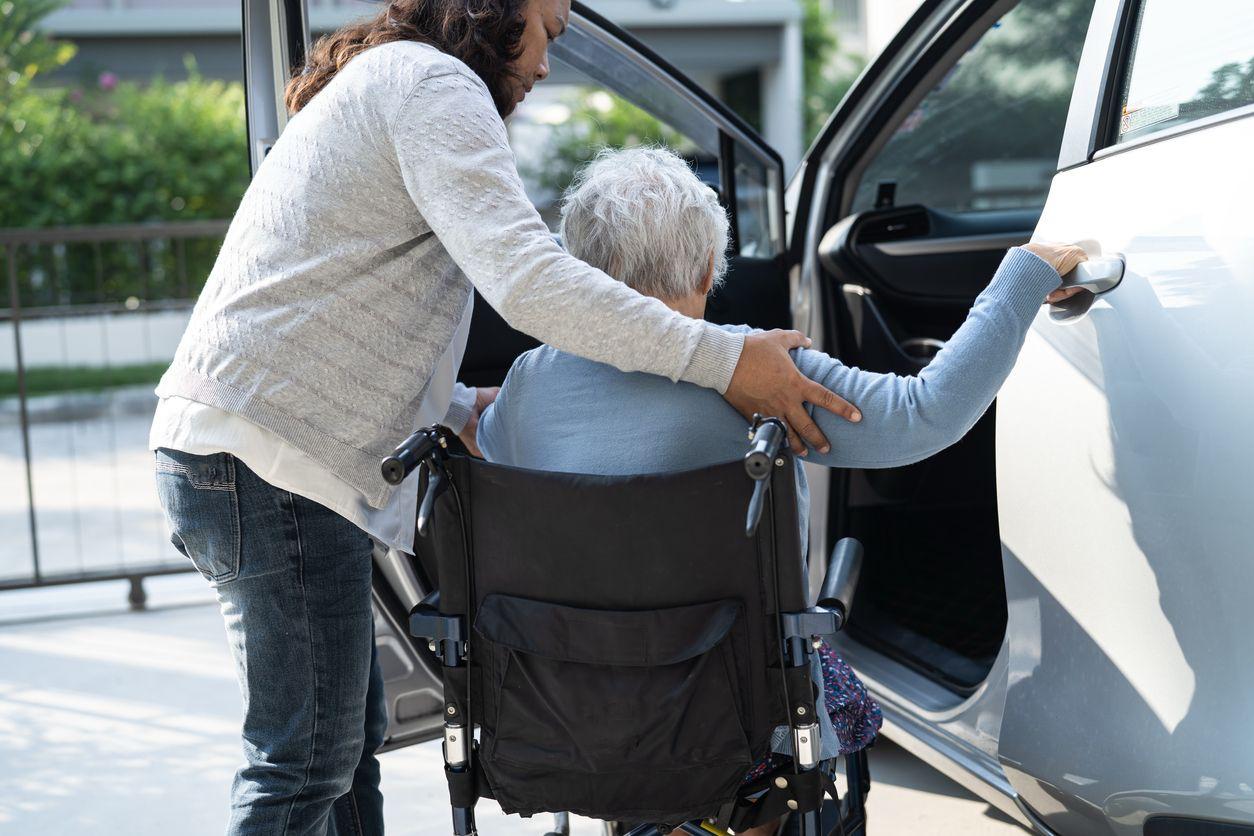
As people age, attending regular medical appointments becomes increasingly important for maintaining health and quality of life. Many older adults require frequent visits to doctors, specialists, therapy centers, and hospitals to manage chronic conditions and monitor their overall health. However, transportation can become a major challenge for seniors who may no longer feel comfortable driving or who face mobility limitations.
Reliable transportation plays a key role in helping elderly individuals access the healthcare services they need. Non-Emergency Medical Transportation (NEMT) services are designed to support seniors by providing safe, dependable transportation to medical appointments.
These services help elderly patients attend important healthcare visits without worrying about driving, navigating public transportation, or depending entirely on family members. In this article, we will explore why transportation is important for seniors, the challenges many elderly patients face, and how medical transportation services can help support safe and consistent access to healthcare.
Why Transportation Is Important for Elderly Patients
For many seniors, regular medical appointments are essential for managing health conditions and preventing complications. As people grow older, they are more likely to require ongoing medical care for conditions such as heart disease, diabetes, arthritis, and other chronic illnesses.
Reliable transportation helps seniors:
- • Receive ongoing treatments and therapies
- • Attend routine doctor appointments
- • Pick up prescriptions from pharmacies
- • Travel to medical testing or diagnostic procedures
When transportation is unavailable, seniors may delay or miss medical appointments, which can negatively affect their health. Having access to dependable transportation ensures older adults can receive the care they need consistently.
Common Transportation Challenges for Seniors
Many elderly individuals face challenges when trying to travel to medical appointments independently.
Difficulty Driving
As people age, driving can become more difficult due to changes in vision, slower reaction times, or physical limitations. Some seniors may no longer feel safe driving long distances or navigating busy roads.
Limited Public Transportation Options
Public transportation may not always be convenient for elderly patients, especially if they live in areas with limited transit options. Buses and trains may also be difficult to access for individuals who use mobility aids.
Mobility Limitations
Some seniors use wheelchairs, walkers, or other mobility devices. Standard transportation options may not be equipped to safely accommodate these needs.
Because of these challenges, specialized transportation services can be extremely helpful for elderly patients.
How Non-Emergency Medical Transportation Helps Seniors
Non-Emergency Medical Transportation services are specifically designed to support individuals who need assistance traveling to healthcare appointments.
These services provide several benefits for elderly patients.
Accessible Vehicles
Many NEMT vehicles are equipped with wheelchair lifts, ramps, and secure seating to accommodate patients with mobility limitations.
Trained Drivers
Drivers are trained to assist passengers who may need help entering or exiting the vehicle. This support helps seniors travel safely and comfortably.
Scheduled Transportation
Medical transportation services allow patients to schedule rides in advance. This ensures seniors arrive at their appointments on time and do not have to worry about arranging transportation at the last minute.
By offering these services, NEMT providers help elderly patients maintain independence while ensuring they can access necessary healthcare.
Types of Medical Transportation Available for Seniors
Different transportation options are available depending on the needs of the patient.
Ambulatory Transportation
This option is suitable for seniors who can walk independently but still need reliable transportation to medical appointments.
Wheelchair Transportation
Wheelchair-accessible vehicles allow seniors who use wheelchairs to travel safely without needing to transfer into a standard vehicle seat.
Stretcher Transportation
For seniors who are unable to sit upright for extended periods, stretcher transportation provides a safe option for traveling while lying down.
These transportation options ensure seniors receive the appropriate level of assistance during their medical trips.
How Seniors Can Schedule Medical Transportation
Scheduling medical transportation for seniors is usually a simple process. Whether a senior is scheduling the ride themselves or a caregiver is helping them, planning ahead can ensure that transportation is reliable and stress-free. Most Non-Emergency Medical Transportation providers allow rides to be scheduled in advance for medical appointments.
Step 1: Contact a Medical Transportation Provider
The first step is to contact a Non-Emergency Medical Transportation provider, such as Onsite Transportation. Seniors, family members, or caregivers can usually schedule transportation by calling the provider directly or using the company’s online booking system if available.
When contacting the provider, it is helpful to explain that the ride is for a medical appointment so the provider can coordinate the appropriate transportation service.
Step 2: Provide Appointment Details
When scheduling transportation, the provider will typically ask for information about the medical appointment. Seniors or caregivers should be prepared to provide:
- • The date and time of the appointment
- • The pickup address
- • The destination medical facility
- • Whether a return trip home will be needed
Providing accurate information helps ensure the transportation provider can coordinate pickup and arrival times effectively.
Step 3: Request the Appropriate Transportation Service
Some seniors may require additional assistance when traveling to medical appointments. During scheduling, it is important to inform the transportation provider if the passenger needs:
- • Wheelchair-accessible transportation
- • Assistance entering or exiting the vehicle
- • Additional support during transportation
This allows the provider to send the correct vehicle and ensure the patient travels safely and comfortably.
Step 4: Schedule Transportation in Advance
Whenever possible, seniors should schedule transportation at least 24 to 48 hours before the appointment. Scheduling ahead of time helps guarantee availability and allows the transportation provider to plan routes and driver schedules.
Step 5: Be Ready at the Pickup Time
On the day of the appointment, seniors should be ready at the scheduled pickup location a few minutes before the driver arrives. Being prepared helps ensure the ride stays on schedule and allows patients to arrive at their appointment on time.
Tips for Scheduling Medical Transportation for Seniors
To ensure a smooth transportation experience, seniors and caregivers can follow a few helpful tips when scheduling medical rides.
Schedule Rides in Advance
Booking transportation at least 24 to 48 hours before the appointment helps ensure availability and allows transportation providers to coordinate drivers effectively.
Provide Accurate Appointment Details
Sharing information such as the appointment time, pickup location, and destination helps transportation providers plan routes and arrival times.
Communicate Mobility Needs
If the patient requires wheelchair access or additional assistance, this should be communicated when scheduling the ride.
Planning ahead can help make the transportation process easy and stress-free.
Conclusion
Transportation should never be a barrier preventing seniors from receiving the healthcare they need. Regular medical appointments play an important role in helping elderly individuals maintain their health and independence.
Non-Emergency Medical Transportation services provide a safe and reliable solution for seniors who require assistance traveling to medical appointments. With accessible vehicles, trained drivers, and convenient scheduling options, these services ensure elderly patients can reach their healthcare providers comfortably and safely.
By understanding available transportation options and planning ahead, seniors and caregivers can ensure that every medical appointment is attended without unnecessary stress or difficulty.
Frequently Asked Questions
Learn how Non-Emergency Medical Transportation (NEMT) helps elderly patients safely travel to doctor appointments with reliable, comfortable, and supportive care.
What is the safest transportation option for elderly patients?
Can a caregiver ride along with the patient?
Are there door-to-door services for seniors?
SCHEDULE SENIOR TRANSPORTATION TODAY
OnSite Transportation
More Than a Ride - It’s Humanity in Motion
- 📍 Serving Los Angeles, San Bernardino, Riverside, Orange, and San Diego Counties
- 📞 Call Us: (949) 996-5545
- 🌐 Visit Us: https://onsitedrive.com