NEMT Safety Standards
Safety Standards for Non-Emergency Medical Transportation Vehicles
Learn about safety standards used in non emergency medical transportation vehicles and how providers ensure safe patient travel.
When patients rely on transportation to attend medical appointments, safety becomes one of the most important considerations. Many individuals who use Non-Emergency Medical Transportation (NEMT) services may have mobility limitations, medical conditions, or recovery needs that require extra care during travel.
Medical transportation vehicles are designed to meet specific safety standards to ensure that patients travel comfortably and securely. From specialized equipment to trained drivers, NEMT providers follow strict procedures that prioritize passenger safety throughout the entire journey.
Understanding the safety standards used in medical transportation vehicles can help patients and caregivers feel confident when choosing a transportation provider. In this article, we will explore the key safety features, regulations, and procedures that help ensure safe medical transportation.
What Is Non-Emergency Medical Transportation (NEMT)?
Non-Emergency Medical Transportation (NEMT) refers to transportation services designed for patients who need assistance traveling to healthcare appointments but do not require emergency medical treatment.
These services provide transportation to locations such as:
- • Doctor appointments
- • Dialysis centers
- • Physical therapy sessions
- • Hospitals for scheduled procedures
- • Medical testing facilities
NEMT vehicles are specially equipped to accommodate patients who may require additional support during transportation.
Vehicle Safety Requirements for Medical Transportation
Medical transportation providers must ensure that their vehicles meet strict safety standards. These requirements help protect passengers and ensure that transportation services operate reliably.
Regular Vehicle Inspections
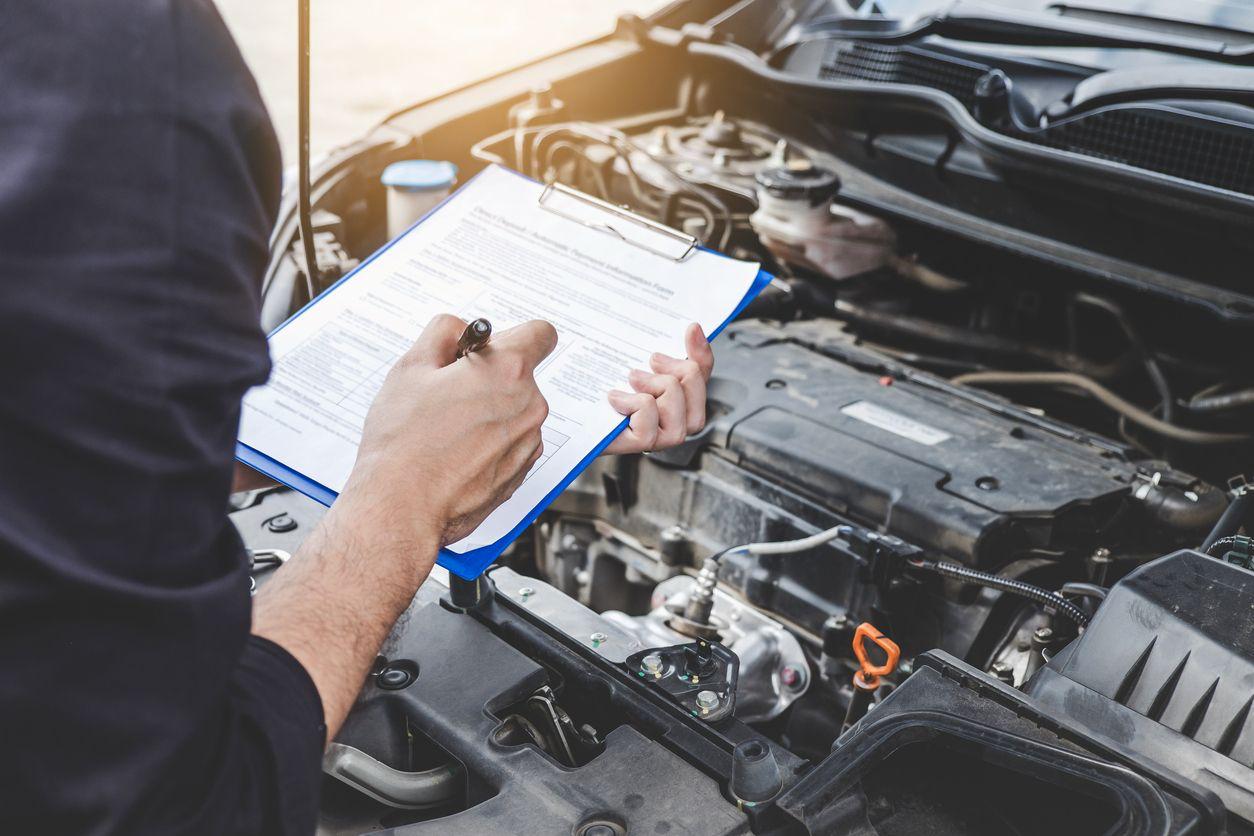
Medical transportation vehicles are typically inspected regularly to ensure they remain in safe operating condition. Routine inspections help identify mechanical issues early and ensure that vehicles meet safety regulations.
These inspections may include checks of:
- • Brakes and tires
- • Seat belts and passenger restraints
- • Wheelchair lifts and ramps
- • Emergency equipment
Maintaining vehicles properly helps reduce the risk of mechanical problems during transportation.
Properly Maintained Accessibility Equipment
Vehicles used for medical transportation often include accessibility equipment such as wheelchair lifts, ramps, and secure restraint systems.
These features must be maintained regularly to ensure they function safely and properly when assisting patients with mobility devices.
Secure Passenger Seating
Passenger safety is also supported through secure seating systems that keep individuals safely positioned during transportation. Wheelchairs and mobility devices are secured using specialized restraint systems that prevent movement during travel.
Safety Features in Medical Transportation Vehicles
Many medical transportation vehicles are equipped with additional safety features designed to support patient comfort and protection.
Wheelchair Restraint Systems
Wheelchair restraint systems are used to secure mobility devices during travel. These systems ensure that wheelchairs remain stable and prevent unnecessary movement while the vehicle is in motion.
Non-Slip Flooring and Handrails
Medical transportation vehicles often include non-slip flooring and handrails to help passengers enter and exit vehicles safely. These features are particularly helpful for individuals who may have difficulty maintaining balance.
Emergency Equipment
Many transportation providers also keep emergency equipment on board in case assistance is needed during the trip. While NEMT vehicles are not ambulances, having emergency supplies available can provide an additional layer of safety.
Driver Training and Safety Procedures
Safety in medical transportation does not depend only on vehicle equipment. Drivers also play an important role in ensuring passenger safety.
Driver Training
Drivers who work for NEMT providers often receive specialized training to assist passengers safely. This training may include:
- • Proper wheelchair securement procedures
- • Safe passenger assistance techniques
- • Defensive driving practices
- • Patient communication and support
Well-trained drivers help ensure that passengers are transported safely and respectfully.
Patient Assistance
Drivers may assist passengers when entering or exiting vehicles and help secure mobility devices when needed. Providing this assistance helps ensure that patients travel comfortably and safely.
How Safety Standards Protect Patients
Safety standards in medical transportation help reduce risks and provide a reliable travel experience for patients. When transportation providers follow proper procedures and maintain their vehicles carefully, patients can travel with confidence.
Reliable safety practices help ensure:
- • Patients arrive safely at healthcare appointments
- • Mobility devices remain secure during travel
- • Vehicles operate properly and efficiently
- • Passengers receive assistance when needed
These standards play an important role in supporting patients who rely on transportation services for essential healthcare visits.
Conclusion
Safety is a critical component of non-emergency medical transportation. Patients who rely on transportation services must feel confident that their ride will be secure, comfortable, and dependable.
Medical transportation vehicles are designed with specialized equipment, safety features , and trained drivers to support passenger safety throughout each trip. Regular vehicle maintenance, accessibility features, and professional driver training all contribute to a safe transportation experience.
By choosing a reliable NEMT provider that follows strong safety standards, patients and caregivers can ensure that medical transportation remains a safe and dependable way to access healthcare services.
Frequently Asked Questions
Learn about the safety standards in Non-Emergency Medical Transportation (NEMT) vehicles, including secure equipment, regular inspections, and trained drivers to ensure safe patient transport.
What safety features are included in NEMT vehicles?
Are drivers trained for medical situations?
How often are vehicles inspected?
CHOOSE SAFE MEDICAL TRANSPORTATION TODAY
OnSite Transportation
More Than a Ride - It’s Humanity in Motion
- 📍 Serving Los Angeles, San Bernardino, Riverside, Orange, and San Diego Counties
- 📞 Call Us: (949) 996-5545
- 🌐 Visit Us: https://onsitedrive.com