Post-Discharge Recovery and NEMT
The Role of NEMT in Supporting Post-Discharge Recovery and Reducing Complications
Reliable Non-Emergency Medical Transportation helps patients continue recovery after discharge by supporting follow-up care, safe transportation, and consistent access to medical services.
Introduction
The period following hospital discharge is one of the most critical phases in a patient’s healthcare journey. While clinical treatment may be completed within a facility, recovery continues well beyond hospital walls. Follow-up appointments, therapy sessions, medication management, and routine monitoring all play essential roles in ensuring successful outcomes.
However, one of the most common and underestimated barriers during this phase is transportation. Patients who have recently undergone procedures or experienced acute medical events often face physical limitations, fatigue, or mobility challenges that make travel difficult. Without reliable transportation, even the most carefully planned recovery process can become disrupted.
Non-Emergency Medical Transportation (NEMT) plays a key role in bridging this gap. By ensuring that patients can consistently access post-discharge care , NEMT supports recovery, reduces complications, and helps prevent avoidable setbacks. Understanding its role in this stage of care highlights its importance as a continuation of treatment rather than a separate service.
Why Post-Discharge Care Requires Consistent Access
The Importance of Follow-Up Appointments
After discharge, patients are typically required to attend follow-up visits to monitor recovery progress, adjust treatment plans, and identify potential complications early. These appointments are not optional; they are a continuation of medical care.
Missing or delaying follow-ups can result in undetected issues, which may escalate into more serious conditions. Consistent attendance is essential for maintaining recovery momentum.
Physical Limitations After Medical Procedures
Patients recovering from surgery, illness, or injury often experience reduced mobility, fatigue, or discomfort. Driving themselves or navigating standard transportation options may not be safe or feasible.
These limitations create a gap between the ability to receive care and the ability to physically access it.
The Risks of Transportation Gaps After Discharge
Increased Risk of Complications
Without reliable transportation, patients may skip or delay critical appointments. This can lead to complications such as infections, improper healing, or unmanaged symptoms that would otherwise be addressed during routine follow-ups.
These complications can prolong recovery and, in some cases, require additional medical intervention.
Higher Likelihood of Hospital Readmission
One of the most significant risks associated with poor post-discharge coordination is hospital readmission . Patients who are unable to attend follow-up care or adhere to treatment plans are more likely to experience setbacks that require returning to the hospital.
Readmissions not only affect patient health but also place additional strain on healthcare systems.
How NEMT Supports Post-Discharge Recovery
Ensuring Reliable Access to Follow-Up Care
NEMT services are structured around medical scheduling, ensuring that patients are transported to and from appointments on time. This consistency helps maintain continuity of care and reduces the likelihood of missed visits.
By removing transportation uncertainty, patients are better able to adhere to their recovery plans.
Providing Safe and Comfortable Transport
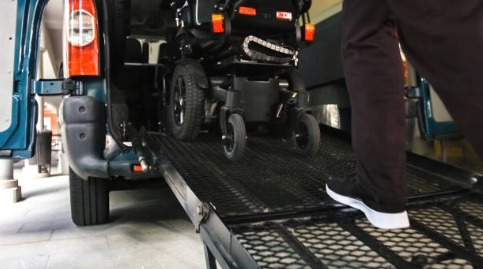
Post-discharge patients often require transportation that accommodates their physical condition. NEMT vehicles are designed to support mobility needs, whether through wheelchair accessibility , assisted entry, or specialized equipment.
This ensures that patients can travel safely without compromising their recovery.
Reducing Patient and Caregiver Stress
Recovery can be a physically and emotionally demanding process. Transportation challenges add an additional layer of stress for both patients and caregivers.
NEMT removes this burden by providing a dependable solution, allowing patients to focus on healing rather than logistics.
The Impact on Long-Term Health Outcomes
Improved Recovery Consistency
When patients attend all required appointments and follow treatment plans consistently, recovery becomes more predictable and effective. Reliable transportation supports this consistency by eliminating one of the most common barriers.
Early Detection of Complications
Regular follow-ups allow healthcare providers to identify and address issues before they become serious. By ensuring access to these appointments, NEMT contributes to earlier intervention and better overall outcomes.
Reduced Strain on Healthcare Systems
Preventing complications and readmissions not only benefits patients but also improves system efficiency. Fewer emergency visits and hospital returns allow healthcare resources to be allocated more effectively.
Integrating Transportation into the Recovery Process
Viewing Transportation as Part of Care Continuity
Transportation should not be considered a separate logistical concern but an integral part of the recovery process. Without reliable access, even the most advanced treatments cannot achieve their intended outcomes.
Strengthening Patient Confidence During Recovery
Knowing that transportation is reliable allows patients to approach recovery with greater confidence. This sense of stability encourages engagement with care plans and reduces anxiety associated with post-discharge challenges.
Conclusion
Recovery does not end at discharge; it depends on what happens afterward. Follow-up care , monitoring, and consistent access to healthcare services are essential for successful outcomes, yet they are often disrupted by transportation challenges.
Non-Emergency Medical Transportation plays a critical role in ensuring that recovery continues without interruption. By providing reliable, safe, and patient-focused transportation, it supports continuity of care, reduces complications, and strengthens the overall healthcare experience.
As healthcare systems continue to emphasize outcomes beyond the clinical setting, integrating transportation into post-discharge planning becomes not only beneficial, but necessary. Reliable access is a cornerstone of effective recovery.
Frequently Asked Questions
Common questions about NEMT, post-discharge recovery, follow-up care, and readmission prevention.
Why is transportation important after hospital discharge?
Can NEMT be used immediately after discharge?
Does NEMT reduce hospital readmissions?
Is NEMT suitable for post-surgery patients?
BOOK SAFE AND RELIABLE NEMT SERVICES TODAY
OnSite Transportation
More Than a Ride - It’s Humanity in Motion
- 📍 Serving Los Angeles, San Bernardino, Riverside, Orange, and San Diego Counties
- 📞 Call Us: (949) 996-5545
- 🌐 Visit Us: https://onsitedrive.com